Easy Gingerbread Man Ornament Crochet Free Pattern
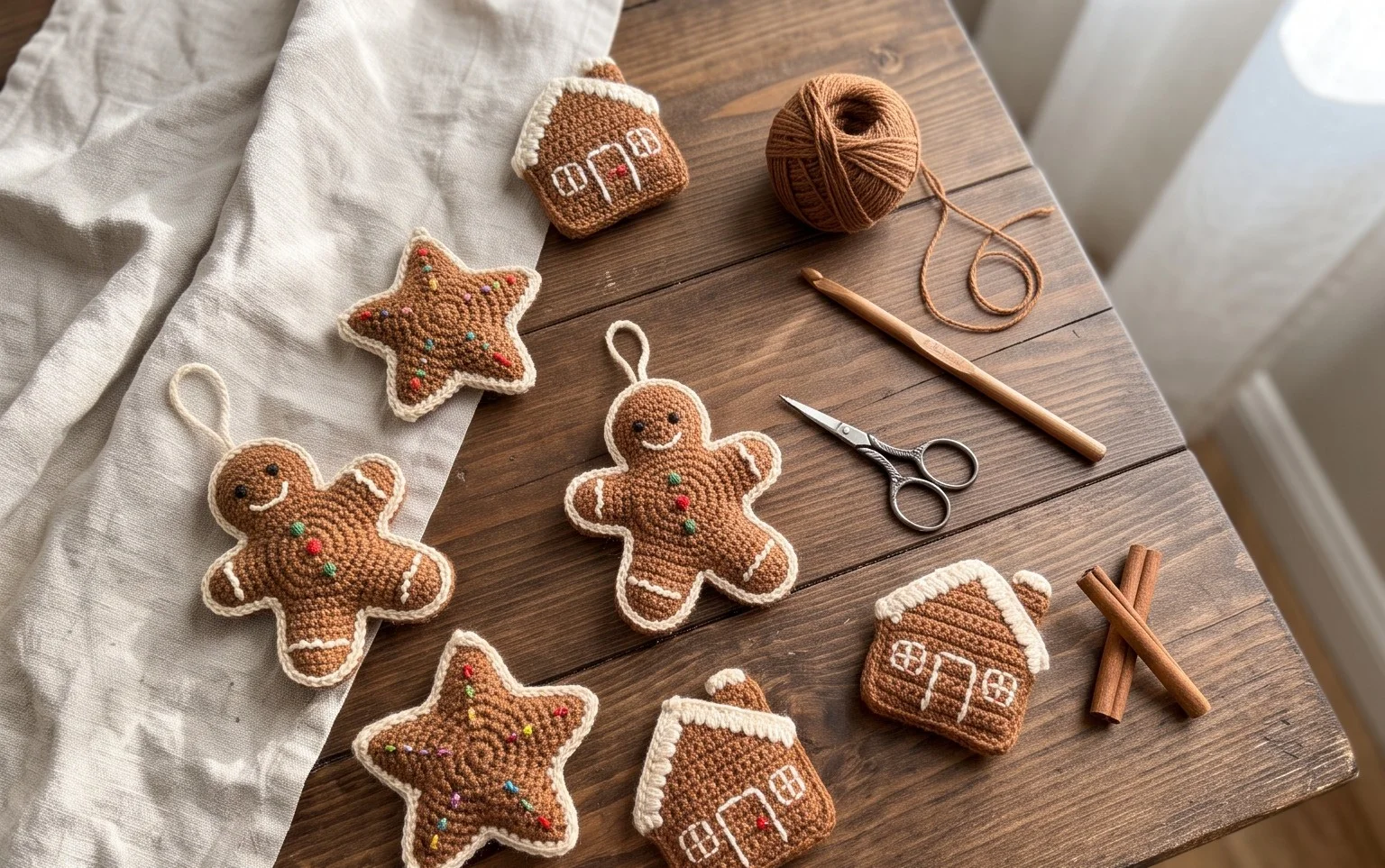
A small gingerbread man made in soft yarn brings a handmade touch to a Christmas tree, a gift tag, or a holiday wreath. The finished ornament has a sweet cookie-like shape, with stitched details for the face and buttons and a loop for hanging. This project suits beginners who are comfortable with basic crochet, as well as gift makers and anyone who enjoys adding handmade decorations around the house. Working the simple stitches into a compact shape is satisfying without taking up a whole afternoon, and you can choose classic brown yarn or give your gingerbread friend a playful twist. You’ll learn how the crochet pieces come together, how to add the facial details neatly, and how to finish the ornament so it hangs securely. It’s a cheerful project to make one at a time or in a small batch for holiday giving.
Why You’ll Love This Pattern
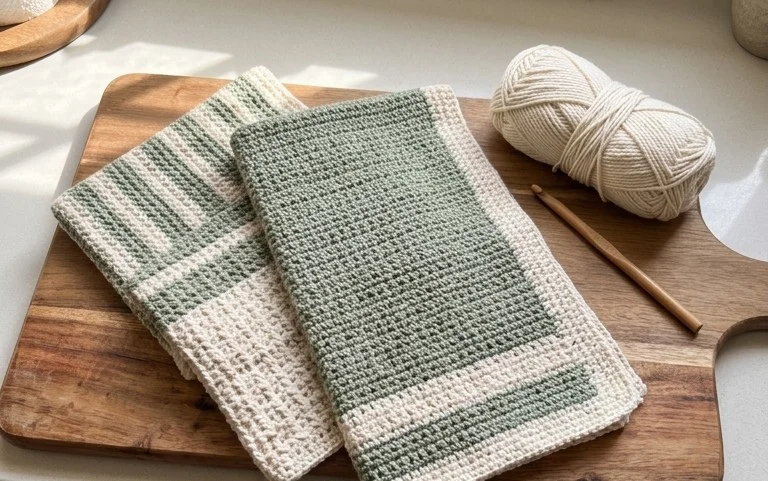
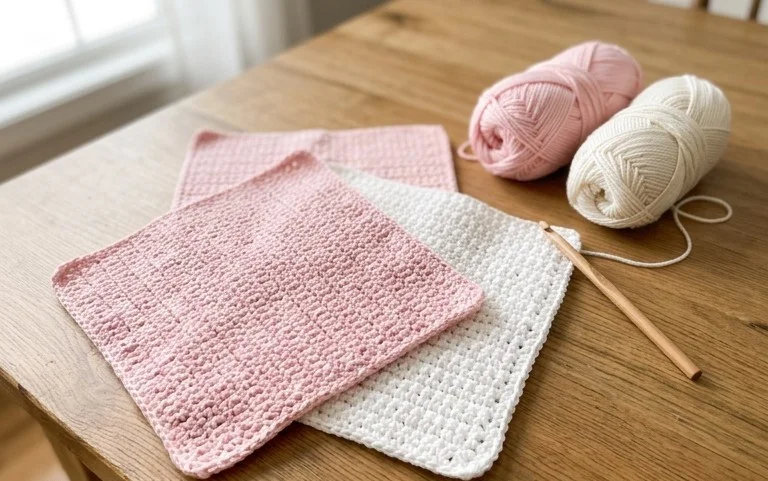
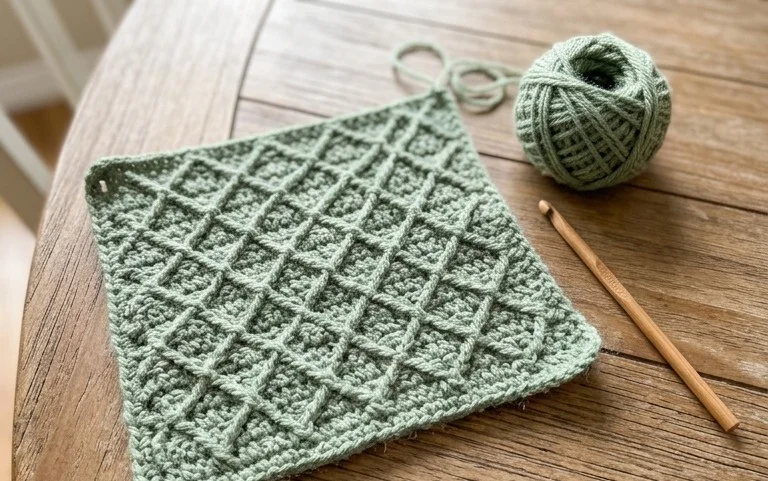
A firm cotton crochet dishcloth has a useful scrubby texture and holds its shape through repeated washing. This beginner-friendly pattern uses single crochet rows, so you can focus on keeping the edges straight rather than learning complicated stitch combinations. The simple rectangle is also a good way to use leftover worsted-weight cotton, as long as you have enough yarn to finish the cloth.
One cloth takes about two to three hours, depending on your pace and tension. The plain fabric is easy to count, and the finished piece works for wiping counters, drying dishes, or keeping near the sink. A pair tied with cotton cord makes a practical handmade gift.
The rows were easy to follow, and the finished cloth feels thick enough for everyday cleanup. I liked being able to finish it over a quiet evening.
— Mara, illustrative sample review
Pattern Overview & Skill Level
- Skill Level: Beginner. You need to chain, single crochet, and turn your work.
- Approximate Time: Two to three hours.
- Construction: A flat rectangle worked in rows, with one single crochet in each stitch. The cloth is not joined or seamed.
- Finished Dimensions & Sizing: About 7.75 inches square after washing and drying flat. Gauge is 4 single crochet stitches and 4 rows per inch. Small differences in tension will change the final measurements.
Materials & Supplies Needed
- Yarn: About 70 yards of worsted-weight cotton yarn, also called medium or weight category 4. Use one solid color, or combine cotton leftovers if you have enough yardage. Cotton is absorbent and tolerates regular washing.
- Hook Size: 5.0 mm / H-8 crochet hook. Use the hook that gives you the stated gauge; if your fabric is too loose, try a smaller hook, and if it is too stiff, try a larger one.
- Notions: Scissors and a blunt tapestry needle for weaving in the beginning and ending tails. A stitch marker is optional and can mark the first stitch of a row.
- Substitutions: A different brand of worsted cotton is suitable, but check your gauge because yarn thickness varies. Cotton-linen blends can feel slightly firmer, while acrylic is less absorbent and may not suit a cloth used for drying dishes. Avoid fuzzy or delicate fibers that are difficult to wash.
Stitch Guide & Abbreviations (US Terms)
- ch: Chain. Yarn over and pull through the loop on the hook.
- sc: Single crochet. Insert the hook in the indicated stitch, yarn over and pull up a loop, then yarn over and pull through both loops on the hook.
- st / sts: Stitch / stitches.
- rep: Repeat.
The turning chain does not count as a stitch in this pattern. Work the first single crochet of each row into the first stitch, directly below the turning chain. This keeps the sides even.
Step-by-Step Pattern Instructions
Dishcloth
- Foundation: Make 32 chains. Keep the chain relaxed so the bottom edge does not pull in.
- Row 1: Work 1 single crochet in the second chain from the hook and in each chain across. Turn. (31 sts)
- Rows 2–31: Chain 1, then work 1 single crochet in each stitch across, including the last stitch. Turn after each row. Keep the turning chain separate from the first stitch. (31 sts in each row)
Finishing
After Row 31, cut the yarn, leaving a tail about 6 inches long. Pull the tail through the final loop to secure it. Thread the tail onto a tapestry needle and weave it through several stitches on the wrong side, changing direction once so it is less likely to work loose. Weave in the starting tail the same way, then trim both ends close to the fabric without cutting any stitches.
Lay the cloth flat and check that the corners are square. If the fabric curls, dampen it and smooth it into shape before it dries. Measure the finished cloth after it is dry; cotton may relax slightly after its first wash.
Care & Washing Instructions
- Wash cotton in warm water, up to about 40°C (104°F), with similar colors; follow the yarn label if it gives a lower limit.
- Tumble dry on low or lay the cloth flat to air-dry; avoid high heat, which can shrink cotton.
- While damp, smooth the cloth back into a square and let it dry flat; wet blocking is usually enough for this simple shape.
Pro Tips & Common Mistakes to Avoid
- Check your tension: Make a small test swatch if you are unsure about hook size. The fabric should feel firm enough to wipe with, but not so tight that the hook is difficult to insert.
- Count as you go: Check for 31 stitches at the end of every row. A stitch marker in the first stitch can help prevent accidentally skipping it when you turn.
- Secure the tails well: Weave each end through the back of several stitches, then change direction. A short tail woven through only one row can loosen with frequent washing.
- Change size with care: To make a wider cloth, add chains to the foundation; to make it longer, add rows. Each extra stitch or row uses more yarn, so allow additional yardage and check the measurements as you work.
Frequently Asked Questions
Can I use a different yarn fiber?
Yes, but cotton is the most practical choice for an absorbent dishcloth. A cotton-linen blend can work if its care label suits regular washing. Acrylic is less absorbent, and wool may felt or shrink with heat, so check the fiber and washing instructions before substituting. A different yarn may also change the finished size.
How can I make the dishcloth smaller or larger?
For a narrower or wider cloth, change the foundation chain while keeping an even, comfortable tension. For a shorter or longer cloth, work fewer or more rows. The stitch count in each row should match the number of single crochet stitches made in the first row, and a larger cloth needs more yarn.
Is this pattern suitable for a first crochet project?
Yes. It uses only chains and single crochet stitches, and each row repeats the same steps. The main thing to watch is the first and last stitch of every row, since missing either one can make the sides slope. Counting 31 stitches after each row helps keep the rectangle even.
May I sell dishcloths made from this pattern?
Check the designer’s terms before selling finished items, and follow any credit or licensing requirements. If you sell a cloth, describe its actual fiber content and care needs accurately. Do not claim that a yarn is fully cotton or machine washable unless its label confirms that information.
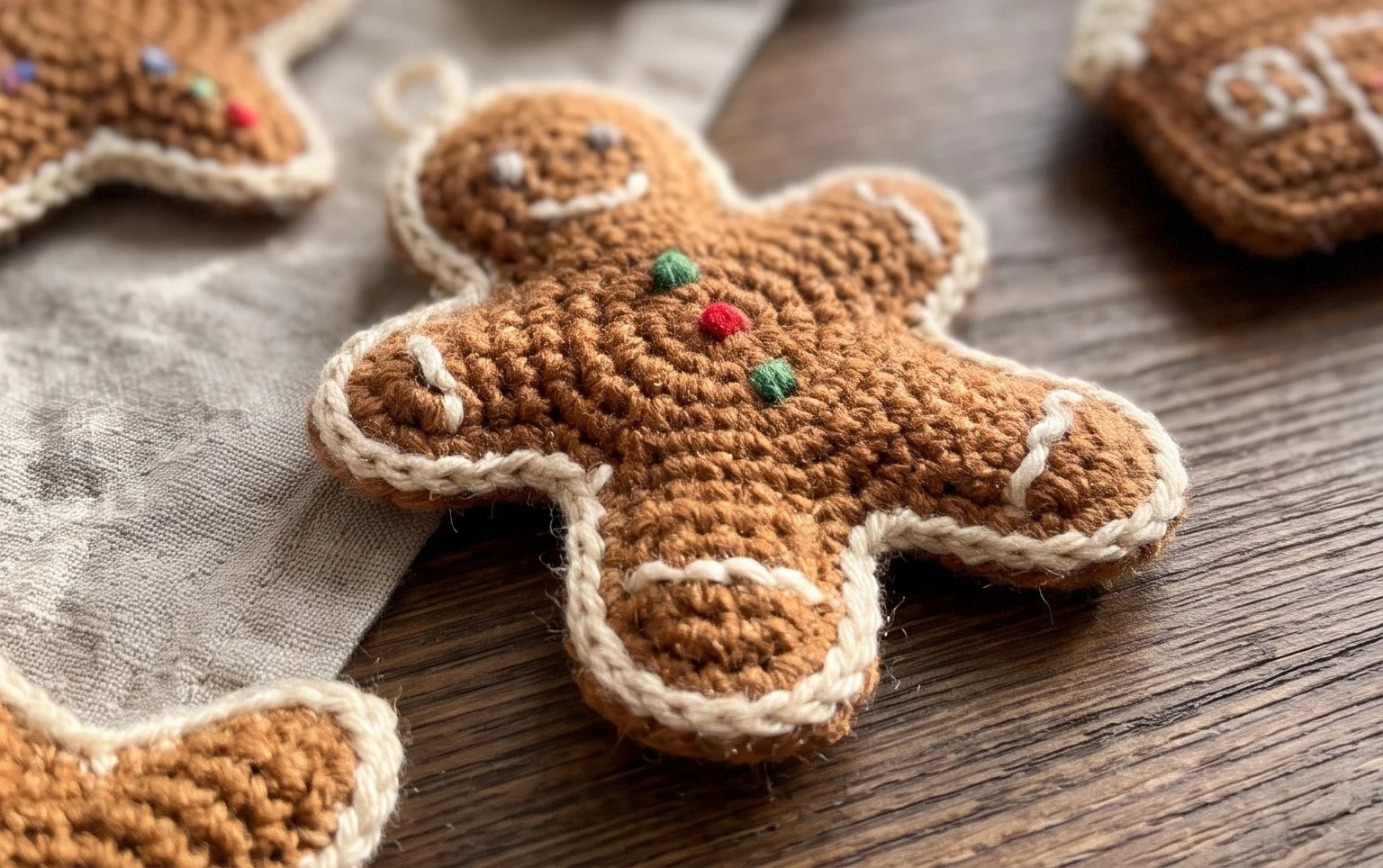
Your finished gingerbread man has a cozy, handmade look that can brighten a tree branch, a wrapped gift, or a holiday table. For a simple variation, try a pale tan yarn for a lightly baked cookie effect, or choose a different color for the scarf or buttons. If you make one, share a photo on Pinterest or your favorite social media page; seeing the different expressions and colors is part of the fun. You can also make a few ornaments in matching yarn for a coordinated set, or change the hanging loop length to suit a wreath or garland. When you’re ready for another small seasonal project, explore more free crochet patterns on the blog.