Easy Crochet Winter Slippers Boots – Free Pattern
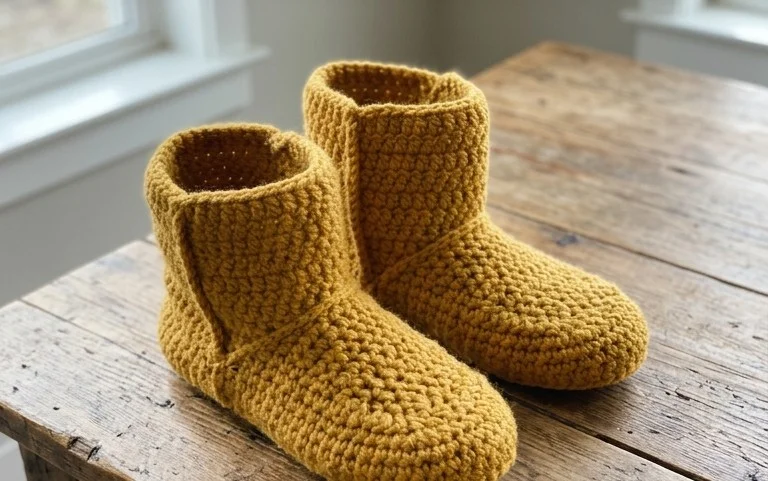
Soft yarn creates a dense, plush barrier against chilly floorboards, providing instant warmth for your feet on cold evenings. These boots feature a high ankle design that stays securely in place while you walk around the house or curl up on the sofa with a good book. They are a practical project for anyone who enjoys creating functional items during late night hours when the house is quiet and still. You will work with basic half double crochet stitches, building up the shape in simple sections that come together quickly. This project feels rewarding because the thick fabric provides such immediate, cozy comfort for the winter months ahead.
Why You’ll Love This Pattern
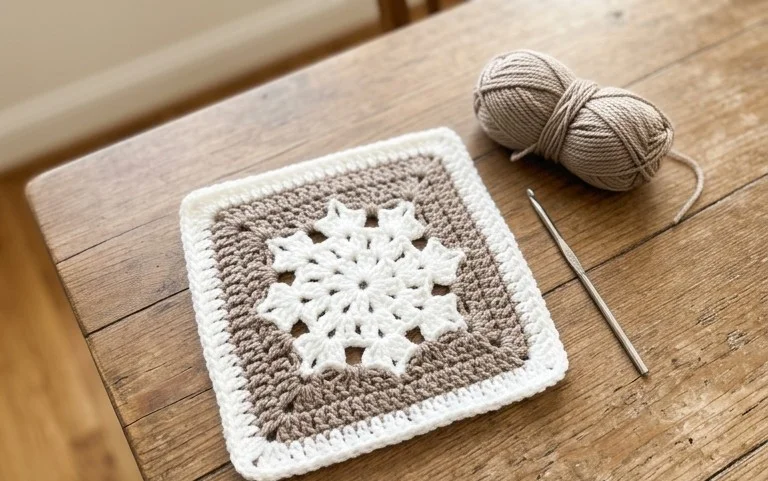
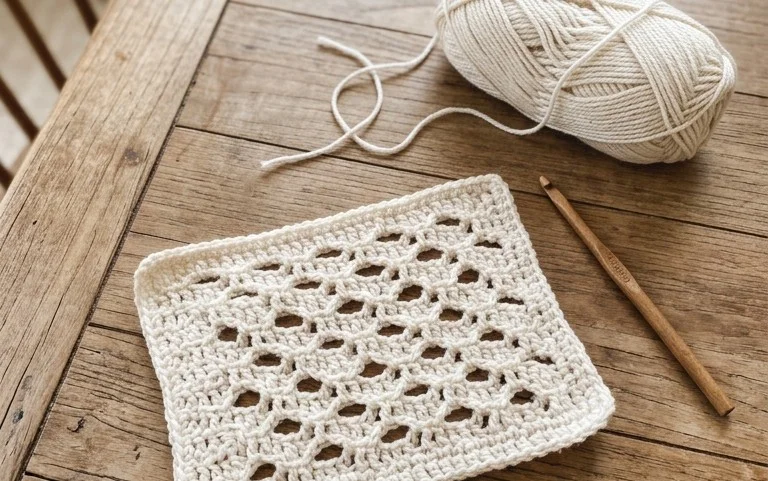
The Classic Crochet Cotton Dishcloth is a reliable, functional project that serves as the foundation for learning essential crochet skills. Because it uses simple stitches, the cloth works up quickly, making it an ideal choice for testing out new colorways or using up leftover bits of cotton yarn from larger projects. The resulting texture is naturally exfoliating, which makes the cloth highly effective for scrubbing dishes or cleaning kitchen surfaces. It is a washable, reusable alternative to disposable paper products, and its sturdy construction ensures it holds up well through multiple cycles in the washing machine.
I managed to finish three of these in one weekend while watching movies. The pattern is so easy to memorize that I could crochet without looking at my hands by the second cloth.
— Sarah, home crafter
Pattern Overview & Skill Level
- Skill Level: Beginner
- Approximate Time: 45 to 60 minutes
- Construction: Worked in flat rows using a simple stitch repeat
- Finished Dimensions & Sizing: 8 inches by 8 inches
Materials & Supplies Needed
- Yarn: Worsted weight (#4) 100% cotton yarn, approximately 60 yards per dishcloth.
- Hook Size: 5.0 mm (US H-8).
- Notions: Tapestry needle for weaving in ends, scissors.
- Safe yarn substitutions: You may use a cotton-linen blend for increased durability or a bamboo-cotton blend for a softer feel. Note that synthetic acrylic yarns are not absorbent enough for dishcloth use and are not recommended for this project.
Stitch Guide & Abbreviations (US Terms)
- ch: Chain
- sc: Single crochet (insert hook, yarn over, pull up a loop, yarn over, pull through both loops on hook)
- dc: Double crochet (yarn over, insert hook, yarn over, pull up a loop, yarn over, pull through two loops, yarn over, pull through remaining two loops)
- st(s): Stitch(es)
- YO: Yarn over
Step-by-Step Pattern Instructions
Main Cloth
- Row 1: Ch 27. Sc in the second ch from hook and in each ch across. Turn. (26 sts)
- Row 2: Ch 1, sc in each st across. Turn. (26 sts)
- Row 3: Ch 2 (counts as first dc), dc in each st across. Turn. (26 sts)
- Row 4: Ch 1, sc in each st across. Turn. (26 sts)
- Repeat: Repeat Rows 3 and 4 until the piece measures 8 inches from the starting edge.
- Finishing Row: Ch 1, sc in each st across. Fasten off. (26 sts)
Border and Assembly
To give the dishcloth a clean, professional edge, join yarn at any corner. Work 1 round of sc evenly around the entire perimeter of the square, placing 3 sc into each of the four corner stitches to ensure the work lies flat. Join with a sl st to the first sc and weave in all ends securely using a tapestry needle.
Care & Washing Instructions
- Machine wash on a warm setting with similar colors to prevent dye bleeding.
- Tumble dry on low heat or lay flat on a clean towel to air dry completely.
- Reshape the cloth while damp if it appears to have stretched during the washing process.
Pro Tips & Common Mistakes to Avoid
Check your tension regularly by laying the cloth flat on a hard surface; if the edges are curling, your stitches are likely too tight. Use a stitch marker in the first stitch of every row if you find yourself accidentally dropping stitches at the ends, which is a common mistake for beginners that results in a trapezoid shape instead of a square. Weave in your yarn tails by running the needle through the base of the stitches in two different directions, which prevents the ends from popping out after a spin in the washer. If you wish to make a larger cloth, simply chain an odd number of stitches to start and maintain the pattern repeat; keep in mind that a larger cloth will require significantly more than one ball of standard 2.5-ounce cotton yarn.
Frequently Asked Questions
Can I use acrylic yarn for this dishcloth?
No, acrylic yarn is hydrophobic and will not absorb water. Always choose 100% cotton or a high-percentage cotton blend for kitchen items to ensure they function as intended.
Why is my dishcloth curling at the edges?
Curling usually happens when your crochet tension is too tight. Try going up one hook size to 5.5 mm (US I-9) to see if that helps the fabric drape more naturally.
Is this pattern suitable for someone who has never held a hook?
Yes, this is an excellent starter project. You only need to learn the foundation chain, single crochet, and double crochet, which are the fundamental building blocks of all crochet patterns.
May I sell the dishcloths I make from this pattern?
You are welcome to sell finished items created from this design. Please credit the pattern origin if you are selling them in an online shop or at craft fairs.
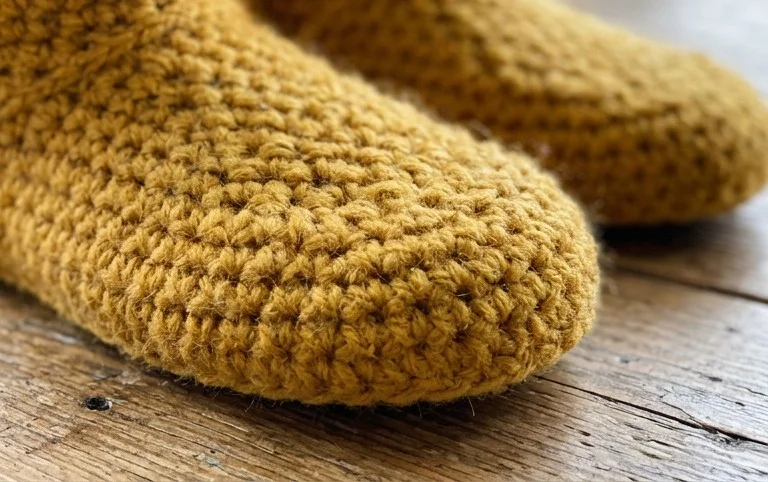
Your new handmade footwear offers a cozy layer of wool protection that makes staying inside during snowy weather much more pleasant. You can change the aesthetic by adding a faux fur cuff or switching to a variegated yarn to give the boots a different look. Sharing a photo of your finished work helps others see how different color choices turn out. Feel free to browse through the rest of the blog for more patterns that suit your stash of leftover yarn and skill level. Enjoy wearing your soft boots on those quiet, chilly nights at home.